
The V300 Zefiro project: keeping high-speed rail moving sustainably
This project is a practical example of circular economy principles in action, extending product life, reducing material consumption and making better use of existing resources. It also reflects Systemair’s broader ambition to support customers in their sustainability journey while continuing to strengthen circular approaches across its own operations.
Sustainability in the rail industry is increasingly about extending the life of existing equipment and making better use of resources. That is exactly what makes Systemair's latest V300 Zefiro project so exciting. Working with Hitachi Rail STS S.P.A., which provides maintenance support for the fleet, Systemair is helping extend the life of the traction motor cooling fans used on Trenitalia's V300 Zefiro (ETR1000) high-speed trains.
Built for decades of service
According to Jan Silhavy, Project Engineer at Systemair Germany, railway vehicles are typically designed to operate for 25 to 40 years, with maintenance and lifecycle planning built into the original development process.
For the V300 Zefiro fleet, this current project focuses on the traction motor cooling fans originally supplied by Systemair more than ten years ago. Now the fans have reached a planned maintenance milestone, creating an opportunity to refresh the units and prepare them for many more years of reliable service.

Refurbished for a second life
Rather than replacing entire assemblies, this project adopts a lifecycle-focused approach. Each fan is inspected, cleaned and refurbished. Wear components are replaced, the motor is reconditioned, engineering upgrades are introduced, and the unit is tested before returning to service.
The work also includes high-voltage testing and performance verification according to railway specifications, ensuring the fans meet the requirements for continued operation in the demanding high-speed rail environment.
Preserving valuable materials
One of the most important sustainability benefits comes from retaining the majority of each fan.
Most of the fan, including major structural and motor components, remains in service. Only parts that have reached the end of their maintenance life are replaced.
"A large proportion of the original fan will be left," explains Jan. “This means that valuable materials can remain in use for longer instead of being discarded too early.”
Each fan contains substantial amounts of durable metals, including steel, cast iron, aluminium, and copper-containing motor components. In total, approximately 49 kilograms of material can be retained per unit. The project also uses dry-ice cleaning technology. Because dry ice turns directly into gas, the process avoids water, chemicals and abrasive cleaning materials while effectively removing dirt and contaminants.

Jan Silhavy, Project Engineer at Systemair Germany
The impact at scale
Saving 49 kilograms of material per fan is meaningful on its own. Scaled across 800 units, the impact becomes substantial.
That’s a preservation of around:
- 23 tonnes of steel and cast iron
- 5.6 tonnes of aluminium
- 8.8 tonnes of motor metals
Approximately 39 tonnes of metallic raw materials overall. By keeping valuable materials in circulation, the project reduces demand for new raw materials, lowers manufacturing-related emissions, minimises waste, and supports Systemair’s broader sustainability ambitions. In addition to preserving approximately 39 tonnes of metallic materials, the refurbishment programme is expected to reduce costs by around 37 percent compared with producing new units, generating more than €1 million in lifecycle savings.
A smarter approach
As rail operators place greater emphasis on sustainability, availability, and lifecycle cost optimisation, projects like this are becoming increasingly important.
Today's purchasing decisions are influenced not only by initial acquisition costs, but also by factors such as maintenance requirements, energy use, spare-part strategies, future service possibilities, and end-of-life considerations.
According to Jan, suppliers that can support customers throughout the entire asset lifecycle have a clear advantage. Refreshed equipment, extended operational life, and smarter use of resources all contribute to a more sustainable rail sector.
The V300 Zefiro project demonstrates what that future can look like showcasing how thoughtful engineering, long-term planning, and sustainability goals can come together to create lasting value.

5 things women at Systemair say matter most at work
What women’s experiences can teach us about attracting and retaining talent
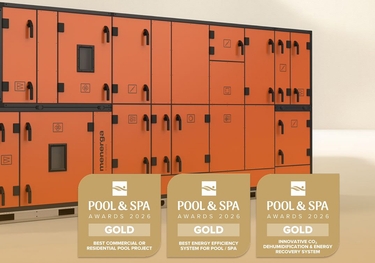
Menerga Hellas wins three gold awards
At the prestigious Pool & Spa Awards 2026 in Greece, Menerga CO₂mpass technology received three Gold Awards.
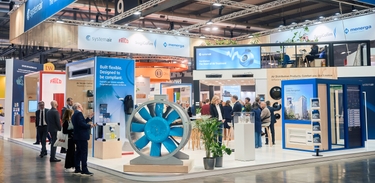
Crowded at the Mostra Convegno Expocomfort
In March 2026, the Systemair, Frico, SagiCofim, and Menerga teams participated in the Mostra Convegno Expocomfort (MCE) in Milano, one of the world’s leading international trade fairs for the HVAC industry.